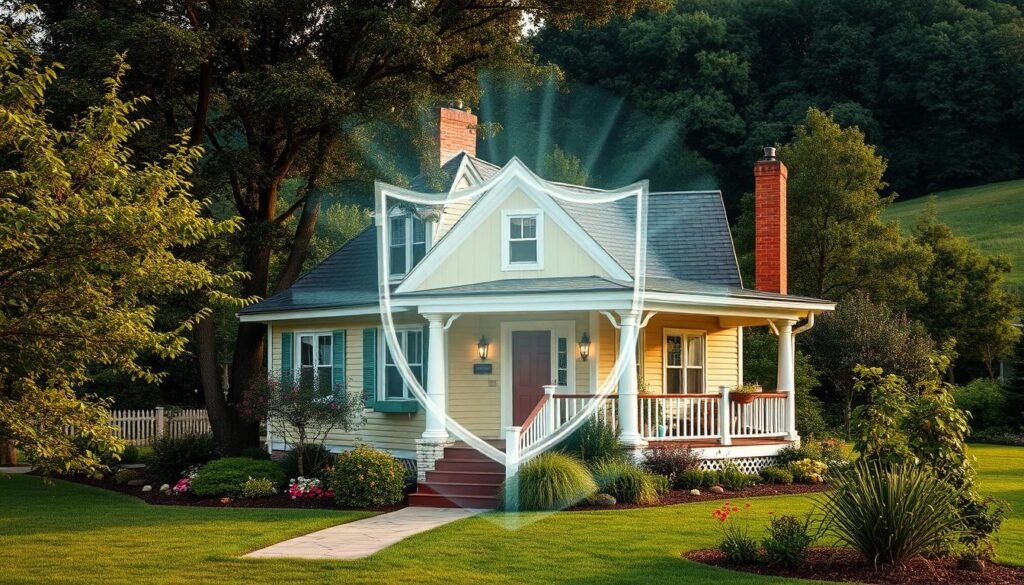
“Buildings insurance” is the British term for what Americans call dwelling coverage, the part of a home policy that protects the physical structure. For a second home buildings insurance need, the key point is that a second or vacation home requires its own separate policy, not an add-on to your primary home. If you use it regularly, a standard homeowners policy (HO3 or HO5) works. If it sits empty seasonally or you rent it out, a dwelling fire policy (DP1, DP2, or DP3) usually fits better. Second homes cost more to insure than primary homes, because an empty house is a bigger risk. Expect a higher premium than your main home, priced on the rebuild value, not the market price. You can insure two homes; just disclose how each is used, honestly.
Second home buildings insurance: key facts at a glance
| Item | Detail | Source |
|---|---|---|
| “Buildings insurance” | UK term for US dwelling (structure) coverage | Industry |
| Second home needs | Its own separate policy, not an add-on | Policygenius |
| If occupied regularly | Homeowners policy: HO3 or HO5 | IA Magazine |
| If seasonal or rented | Dwelling fire policy: DP1, DP2, or DP3 | Kastner Insurance |
| Most comprehensive DP | DP3: open perils, replacement cost | Asset Insurance |
| Cost vs primary | Higher, due to vacancy and location risk | SC DOI |
| Priced on | Rebuild cost, not market or purchase price | III |
| Biggest mistake | Misrepresenting occupancy to get a lower rate | Industry |
What is “buildings insurance,” and what does a second home need?
The term trips up a lot of American searchers, so let us translate it first. “Buildings insurance” is British English, and it has a clear US equivalent.
In the United Kingdom, “buildings insurance” covers the physical structure of a home. “Contents insurance” covers your belongings, and “buildings and contents” combines both. In the United States, those map to dwelling coverage and personal property coverage inside a single home policy. So when you search “second home buildings insurance,” you are really looking for coverage that protects the structure of your second home. What that second home needs is its own policy, because you cannot simply extend your primary home’s coverage to it. The type of policy depends on one thing above all: how the home is used.
Is second home insurance more expensive?
Yes, and it helps to know why before you get quoted. A second home is a bigger risk to an insurer than your primary residence.
The main reason is occupancy. A second home sits empty for stretches, so a burst pipe, roof leak, or break-in can go undetected for weeks and cause far more damage. Empty homes also face a higher risk of theft and vandalism. On top of that, many second homes are in higher-risk locations, at the coast, in the mountains, or in wildfire or hurricane zones, which raises premiums further. Add it up and a second home usually costs noticeably more to insure than your main home, sometimes significantly, depending on location and how often you are there. The good news is that steps like a security system, monitored alarms, and regular visits can help keep the cost down. Some insurers also offer a discount for a smart water-leak sensor, since burst pipes are a top second-home claim.
Can you have two home insurance policies?
This question has two versions, and the answers are different. The distinction matters, so here it is clearly.
Yes, you can absolutely insure two different houses, and you generally must, since each home needs its own policy. Owning homeowners coverage on multiple properties is completely normal and legal. What you cannot do is stack two policies on the same home to collect twice for one loss. Insurance follows the principle of indemnity, meaning it restores you to where you were, not better, so double-covering one house does not pay out twice and insurers will not knowingly allow it. So “two policies” for two homes is fine and expected; “two policies” on one home to profit is not. Insure each property separately with the right form for how you use it.
HO3 vs HO5: which for a second home?
If your second home is occupied enough to qualify for a homeowners policy, you will likely choose between these two forms. The difference is in what they protect against.
An HO3 policy is the most common form. It covers your dwelling on an open-perils basis, meaning everything except listed exclusions. But it covers your personal property only for named perils. An HO5 policy upgrades that, covering both the dwelling and your personal property on an open-perils basis, which is broader and better for higher-value homes and belongings. HO5 costs more, but it offers stronger protection and fewer coverage gaps. For a modest second home, HO3 is usually enough. For a high-value vacation home with valuable contents, HO5 can be worth the extra premium. Which is better depends on your home’s value and how much protection you want.
DP1, DP2, DP3: the dwelling forms for second and seasonal homes
Here is the part most guides skip, and it matters most for second homes that sit empty or get rented. When a home is not your regular residence, insurers often use a dwelling fire policy instead of a homeowners policy.
There are three dwelling forms. DP1, or Basic, covers a short list of named perils. It usually pays claims at actual cash value, meaning depreciation is subtracted, so it is the cheapest and least protective. DP2, or Broad, covers a longer list of named perils and typically pays replacement cost. It sits in the middle on both price and protection. DP3, or Special, is the most comprehensive. It covers the dwelling on an open-perils basis like an HO3 and pays replacement cost. That is why it is the standard choice for rentals, seasonal homes, and non-owner-occupied properties. The trade-off across all DP forms is that they offer less built-in personal property and liability coverage than a homeowners policy. If your second home is seasonal or rented, a DP3 is usually the sweet spot.
How much does it cost to insure a $400,000 or $500,000 home?
Cost questions come up constantly, so here is the honest framing. The number that drives your premium is not the one you might expect.
Insurers price your policy on the dwelling’s rebuild cost, meaning what it would cost to reconstruct the home, not its market price or what you paid. So a $500,000 purchase price might carry a rebuild cost well below that if much of the value is in the land. This is why two homes with the same price tag can insure very differently. As a rough guide, US home insurance often runs a few thousand dollars a year. A home needing $400,000 to $500,000 to rebuild might fall somewhere around $2,800 to $5,000 a year. This varies enormously, though, by state, construction, and risk exposure. A second home at the same value will cost more than a primary one. For an exact figure, get a quote based on your home’s rebuild cost, not its listing price.
Insuring a second home a family member uses
Letting a relative use or live in your second home changes the insurance picture, so handle it carefully. Who lives there, and how, determines the right policy.
If your second home is a vacation place that family members use occasionally alongside you, a standard second-home policy generally works. But say a family member lives there full-time, even rent-free. The home is no longer your seasonal residence. Many insurers will then treat it as a rental or non-owner-occupied property, requiring a landlord or dwelling fire policy instead. If you charge rent, that is clearly a landlord situation needing a DP form and landlord liability. The key is to describe the arrangement accurately to your insurer. Guessing wrong, or hiding that someone lives there, can leave a claim denied, so be upfront about the occupancy.
State Farm, Progressive, and who covers second homes
Plenty of insurers cover second homes, so you have options to compare rather than a single answer. No company is best for everyone.
Major insurers including State Farm and Progressive offer second-home and seasonal coverage, and State Farm is often mentioned for unoccupied and seasonal options, while Progressive places second-home policies through its network. Other national and regional insurers cover vacation homes too. Rather than chasing a “best second home insurance” label, compare a few insurers on the coverage form they offer for your situation, the price for your rebuild value, and their financial strength and complaint records. Judge them by objective measures like AM Best ratings and the NAIC complaint index, not by advertising. The right insurer is the one that offers the correct form at a fair price for how you actually use the home.
The disadvantages, and the occupancy honesty that protects you
Second home coverage has real downsides worth weighing, and one honesty rule that matters more than any of them. Start with the trade-offs.
The disadvantages are straightforward: a second home costs more to insure, needs its own separate policy, and often comes with stricter terms or vacancy limits if it sits empty too long. Some policies reduce or exclude coverage after a home has been vacant for a set period, commonly 30 or 60 days. Now the honesty rule: the single biggest mistake people make is misrepresenting occupancy to get a cheaper rate, for example calling a second or rented home their “primary residence.” That is misrepresentation, and it can void your coverage exactly when you need it. So the real answer to “what not to say to your insurer” is simple: never lie about who lives there or how often. Disclose it accurately, and your claim stands.
The honest read: match the policy to how you use the home
Occupied often? Use a homeowners policy. If you spend real time at your second home and it is not rented, an HO3, or an HO5 for higher value, gives you the broadest protection, close to what your primary home has. This is the simplest, strongest option when you qualify.
Seasonal, rented, or often empty? Use a dwelling form, and mind vacancy. A DP3 is usually the best fit for a home that is not owner-occupied much of the year, and if it sits truly empty for months, you may need dedicated vacant home coverage instead. Whatever you choose, insure to rebuild cost, disclose occupancy honestly, and compare a few insurers. Match the policy to how you actually use the home, and you will be properly covered without overpaying.
Conclusion
Second home buildings insurance, in US terms, means dwelling coverage on a second or vacation home, and that home needs its own separate policy. If you occupy it regularly, an HO3 or HO5 homeowners policy works; if it is seasonal or rented, a DP1, DP2, or DP3 dwelling form fits better, with DP3 offering the most protection. Second homes cost more than primary homes and are priced on rebuild cost, not market value. You can insure two homes, but never misrepresent occupancy to save money, since that voids coverage. Match the policy to how you use the home, and if it sits empty for long stretches, look into dedicated vacant home coverage.
FAQs
What type of insurance do I need for a second home?
It depends on how you use it. If you occupy the second home regularly, a standard homeowners policy (HO3 or HO5) works. If it is seasonal, rented out, or often empty, a dwelling fire policy (DP1, DP2, or DP3) usually fits better, with DP3 offering the most protection. Either way, it needs its own separate policy from your primary home.
Is homeowners insurance more expensive on a second home?
Yes. Second homes typically cost more to insure than primary residences, because they sit empty for stretches, raising the risk of undetected damage and theft, and are often in higher-risk locations like coasts or mountains. Security systems, alarms, and regular visits can help lower the cost, but expect a higher premium than on your main home.
Can you have homeowners insurance on two houses?
Yes. You can and generally must insure each home you own with its own policy, and having homeowners coverage on multiple houses is completely normal and legal. What you cannot do is put two policies on the same house to collect twice for one loss, since insurance restores you rather than pays you a profit. Insure each property separately.
Can you legally have two home insurance policies?
On two different homes, yes, that is standard. On the same home, it is generally not allowed or useful, because you cannot collect twice for a single loss under the principle of indemnity, and insurers will not knowingly double-cover one property. So two policies for two homes is fine; two policies stacked on one home to profit is not permitted.
Which is better, HO3 or HO5?
HO5 is more comprehensive. HO3 covers your dwelling on an open-perils basis but your belongings only for named perils, while HO5 covers both on an open-perils basis, offering broader protection with fewer gaps. HO5 costs more, so it is best for higher-value homes and contents. For a modest second home, HO3 is usually sufficient.
What is DP1, DP2, and DP3 in insurance?
They are dwelling fire policy forms used mainly for rentals, seasonal, and non-owner-occupied homes. DP1 (Basic) covers a few named perils at actual cash value, the least protection. DP2 (Broad) covers more named perils at replacement cost. DP3 (Special) covers the dwelling on an open-perils basis at replacement cost, making it the most comprehensive and the usual choice for second homes and rentals.
How much is insurance on a $500,000 home?
It depends on the rebuild cost, not the $500,000 price, plus your state and risk exposure. A home needing that much to rebuild might run roughly $3,500 to $5,000 or more a year, though it varies widely. Remember that insurers price on reconstruction cost, so a home purchased for $500,000 may insure for less if much of the value is land.
How much is homeowners insurance on a $400,000 house?
Again, it is based on rebuild cost rather than purchase price, and varies by state and risk. A home costing around $400,000 to rebuild might fall somewhere around $2,800 to $4,000 a year, but high-risk areas cost more. A second home at that value will cost more than a primary residence. Get a quote based on reconstruction cost for an accurate figure.
What are the disadvantages of secondary home insurance?
Second home coverage costs more than primary coverage, requires a separate policy, and often carries stricter terms. Many policies also limit or exclude coverage after the home has been vacant for a set period, commonly 30 to 60 days. And if the home is rented or occupied by others, you may need a different, sometimes pricier, dwelling or landlord form rather than standard homeowners coverage.
What should I not say to my homeowners insurer?
Never misrepresent occupancy. Calling a second, seasonal, or rented home your “primary residence” to get a cheaper rate is misrepresentation that can void your coverage when you file a claim. Always disclose accurately who lives in the home and how often it is occupied. Being honest about occupancy is what keeps your policy valid and your claims payable.
How much does unoccupied or vacant home insurance cost?
Vacant home insurance usually costs significantly more than standard coverage, often well above a comparable occupied-home policy, because empty homes carry higher risks of undetected damage, theft, and vandalism. If your second home sits truly empty for extended periods, a standard policy may not cover it, and you may need dedicated vacant home insurance or a vacancy endorsement. See our vacant home guide for details.
Do I need contents insurance for a second home?
It depends on the policy and your belongings. Homeowners forms like HO3 and HO5 include personal property (contents) coverage, while dwelling fire forms (DP1, DP2, DP3) include much less by default. If you keep valuable furnishings or belongings at your second home, make sure your policy includes adequate contents coverage, or add it, since a bare dwelling form may leave your possessions largely unprotected.
Does State Farm or Progressive insure second homes?
Yes. Major insurers including State Farm and Progressive offer second-home and seasonal coverage, and State Farm is often noted for unoccupied and seasonal options. Many other national and regional insurers cover vacation homes too. Compare a few on the coverage form they offer, the price for your rebuild value, and their financial strength and complaint records rather than picking on brand alone.
How do I insure a second home that a family member lives in?
If a relative uses the home occasionally as a vacation place, a standard second-home policy generally works. But if a family member lives there full-time, even without paying rent, insurers often treat it as non-owner-occupied and require a landlord or dwelling fire policy. If you charge rent, it is a landlord situation. Describe the arrangement accurately to your insurer to keep coverage valid.
Is second home insurance the same as vacant home insurance?
No. Second home insurance covers a vacation or secondary home you use, while vacant home insurance covers a property that sits empty for an extended period, such as one awaiting sale or renovation. A second home that is occupied seasonally can use a homeowners or DP policy, but one left truly empty for months usually needs dedicated vacant coverage due to the higher risk.
About the author
Md Shahinuzzaman is an insurance and out-of-pocket healthcare cost specialist with 16 years of experience in banking and insurance. He writes practical, plain-spoken guides for InsuranceGuidances.com to help homeowners protect their property without overpaying. He takes no payment from the companies he covers, and every figure in this article traces to a named source.
Reviewed:2026 ·
Sources
AM Best, financial strength ratings guide: https://www.ambest.com/ratings/guide.pdf
South Carolina Department of Insurance, Second Home Insurance: https://doi.sc.gov/954/Second-Home-Insurance-What-You-Need-to-K
Insurance Information Institute, insuring a second or vacation home: https://www.iii.org/article/insuring-your-vacation-home
Policygenius, Second Home Insurance: How to Insure a Vacation Home: https://www.policygenius.com/homeowners-insurance/second-home-insurance/
Kastner Insurance, difference between DP1, DP2, DP3 coverage: https://blog.kastnerinsurance.com/what-is-the-difference-between-dp1-dp2-dp3-coverage
Asset Insurance Consultants, Policy Forms DP1 vs DP3: https://aicinsurance.net/insurance/policy-forms-dp1-vs-dp3/
IA Magazine, What’s the Difference Between a DP3 and an HO3: https://www.iamagazine.com/2023/04/12/whats-the-difference-between-a-dp3-and-a-ho3/
Hippo, Choosing Second Home Insurance: https://www.hippo.com/learn-center/second-home-insurance
Insuranceopedia, HO3 vs HO5/HO6 comparison: https://www.insuranceopedia.com/homeowners-insurance/ho3-vs-ho6
National Association of Insurance Commissioners, complaint index: https://content.naic.org/consumer.htm