How much do veneers cost with insurance? Usually about the same as without it — dental insurance treats veneers as cosmetic, so most plans pay $0. You’ll generally spend $500 to $2,895 per tooth (national average around $1,765 for porcelain), insured or not. The one exception is when a veneer is medically necessary — to restore a tooth damaged by an accident or decay — where insurance may cover part of the restorative work, but not the cosmetic upgrade. Always get a written pre-treatment estimate before you commit.
How Much Do Veneers Cost With Insurance: Quick Reference
| Question | Short answer |
|---|---|
| Does insurance cover veneers? | Usually no — they’re cosmetic, so most plans pay $0 |
| When might it help? | Only if medically necessary (accident or decay repair) |
| Cost per tooth | $500–$2,895 (porcelain avg ~$1,765; composite avg ~$872) |
| Full set (6–8 teeth) | Averages around $15,486; full mouth can hit $30,000+ |
| Cheaper route | Composite veneers, bonding, whitening, HSA/FSA, financing |
A lot of people search “how much do veneers cost with insurance” hoping their plan will knock the price way down. I’ll save you the suspense: it almost never does. Veneers are cosmetic, and cosmetic work is the one thing dental insurance is built to exclude. That doesn’t mean you’re out of options — it just means the smart plan is about choosing the right material, using the right accounts, and knowing the rare cases where insurance actually chips in. Here’s the full breakdown.
How Much Do Veneers Cost With Insurance?
With insurance, veneers usually cost the same as without it, because most dental plans don’t cover cosmetic procedures. So your real price is the out-of-pocket cost: roughly $500 to $2,895 per tooth, with a national average around $1,765 for a porcelain veneer.
The only time insurance changes that math is when a veneer is medically necessary — for example, to rebuild a tooth broken in an accident or damaged by decay. Even then, the plan covers the restorative purpose (and often only up to your annual maximum), not the cosmetic improvement. The practical move is to get a detailed treatment plan from your dentist and submit it to your insurer for a pre-treatment estimate, so you know your number before you commit.
Does Dental Insurance Cover Veneers?
Dental insurance generally does not cover veneers because they’re classified as elective cosmetic dentistry. Most employer, family, and individual plans exclude them outright, which is why “with insurance” usually doesn’t lower the price.
There are a few narrow exceptions and workarounds worth knowing:
- Medically necessary cases. If a veneer restores function after trauma or decay, some plans cover part of the cost. Ask your dentist to document the medical necessity, the same way you would to get dental implants covered by medical insurance.
- Medicare and Medicaid. Both usually exclude veneers, though certain Medicare Advantage plans may help with restorative work.
- HSA/FSA funds. Cosmetic veneers often aren’t eligible, but a medically necessary case may qualify — check with your administrator first.
- Dental discount plans. Not insurance, but they can shave a percentage off cosmetic procedures at participating dentists.
How Much Do Veneers Cost Without Insurance by Type?
Without insurance, veneers cost between $500 and $2,895 per tooth, and the material you choose is the biggest price driver. Porcelain costs more and lasts longer; composite costs less and is faster.
| Veneer type | Cost per tooth | Lifespan |
|---|---|---|
| Composite resin | $250 – $1,500 (avg ~$872) | 5–7 years |
| Porcelain | $900 – $2,500 (avg ~$1,765) | 10–15 years |
| Porcelain laminate (no-prep, e.g. Lumineers) | $800 – $2,000 | 10+ years |
| Zirconia | $1,500 – $2,500 | 10–15 years |
Composite veneers are the budget choice and can often be done in one visit, since the resin is sculpted right onto your tooth. Porcelain is the “gold standard” for looks and durability, but it’s lab-made and pricier. No-prep laminates can sometimes be applied without removing enamel, which makes them potentially reversible.
Veneer Cost by Number of Teeth: 2, 4, or a Full Set
Your total depends heavily on how many teeth you treat. A couple of front teeth is a few thousand dollars; a full smile makeover can run into the tens of thousands.
| How many | Typical total (porcelain) |
|---|---|
| 1 veneer | $900 – $2,500 |
| 2 front teeth | ~$1,800 – $5,000 |
| 4 front teeth | ~$3,600 – $10,000 |
| Full set (6–8 teeth) | Averages ~$15,486 |
| Full mouth (8–20 teeth) | $10,000 – $30,000+ (up to $50,000) |
Most people don’t do a full mouth — they treat the “social six” or eight front teeth that show when you smile. Remember these numbers usually exclude the exam, X-rays, and cleaning you’ll need first, which add roughly $100 to $300 a visit.
What Makes Veneers Cost More or Less?
Four things move the price the most: the material, the number of teeth, your dentist’s expertise, and where you live. A top cosmetic dentist in a major metro charges far more than a general dentist in a small town.
Location matters more than people expect. Veneers in high-cost states and big cities — think California, New York, or major Texas and Florida metros — run noticeably higher than in rural areas, sometimes by a few hundred dollars per tooth. If you’re searching “veneers near me” in an expensive metro, it’s worth getting quotes from a couple of practices, since cosmetic pricing isn’t standardized and varies widely even within one city.
Cheapest Ways to Get Veneers (and Make Them Affordable)
The cheapest way to get veneers is to choose composite over porcelain, treat fewer teeth, and use tax-advantaged or financing options to spread the cost. Since insurance rarely helps, these levers do the real work:
- Pick composite for a lower upfront cost (just expect to replace them sooner).
- Treat only the teeth that show instead of a full mouth.
- Use HSA/FSA funds if the work qualifies as medically necessary.
- Spread payments with dental financing like CareCredit or a dental discount plan.
- Check dental schools, where supervised students perform cosmetic work at reduced rates.
- Get multiple quotes — cosmetic prices vary a lot between offices.
Cheaper Alternatives to Veneers
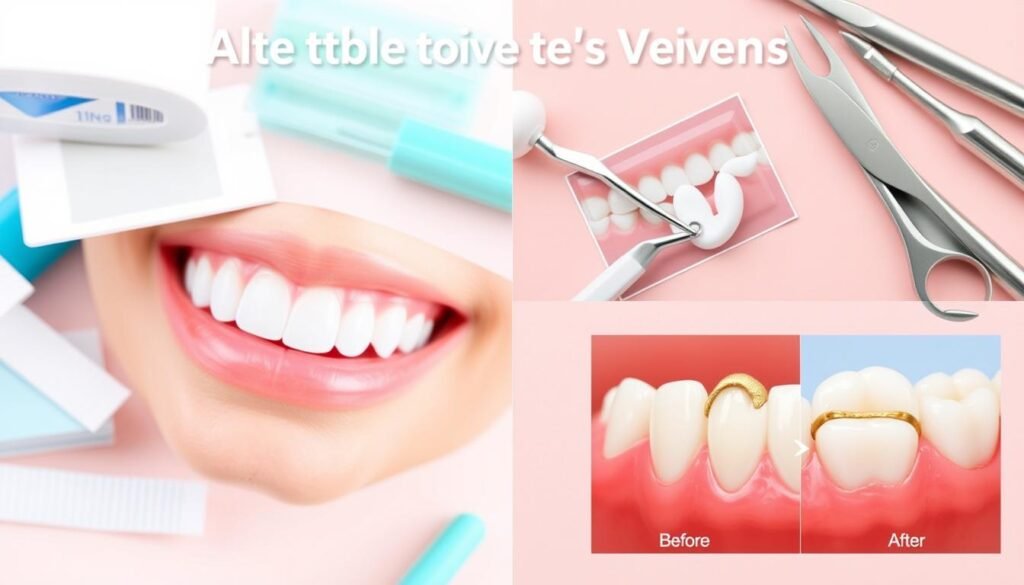
If veneers don’t fit your budget, teeth whitening, dental bonding, and crowns are common alternatives — and crowns are sometimes covered by insurance when medically necessary.
| Treatment | Typical cost | Best for |
|---|---|---|
| Teeth whitening | $150 – $650 | Discoloration only |
| Dental bonding | $250 – $600 per tooth | Minor chips, gaps, small fixes |
| Dental crown | $1,000 – $3,000+ | Damaged teeth (often insured if necessary) |
| Clear aligners / braces | $3,000 – $8,000 | Alignment, not just appearance |
Bonding uses the same resin as composite veneers and is the closest budget cousin — less durable, but far cheaper and reversible. Whitening is the cheapest fix if discoloration is your only concern. And if a tooth is actually damaged, a crown may be both the right clinical choice and the one your insurance will help pay for.
How Long Do Veneers Last?
Porcelain veneers last about 10 to 15 years with good care, while composite veneers last around 5 to 7 years. Lifespan depends on your habits — grinding, biting hard objects, and skipping cleanings all shorten it.
Because they’re not permanent, factor in replacement when you budget. A set of composite veneers may need redoing twice in the time one set of porcelain lasts, which narrows the real cost gap between them over the long run.
Are Veneers Painful to Get or to Replace?
Getting veneers is generally not painful — the dentist numbs the area before removing a thin layer of enamel, and most people feel only mild, short-lived sensitivity afterward. Replacing a veneer is similar and usually no worse than the original placement.
Some temporary sensitivity to hot and cold is normal in the first few days after enamel is removed. If you have ongoing pain, that’s worth a call to your dentist rather than something to wait out.
What Are the Downsides of Veneers?
The main downsides of veneers are that they’re expensive, usually not covered by insurance, and often irreversible. Traditional porcelain and composite veneers require removing some enamel, which can’t be undone.
A few more honest trade-offs: veneers can chip or crack and will eventually need replacing, your teeth may be more temperature-sensitive afterward, and the color won’t change with whitening later, so they can stop matching your natural teeth over time. None of these are dealbreakers, but they’re worth knowing before a permanent commitment.
What Can’t You Eat With Veneers? Can You Bite Into an Apple?
You can eat most foods with veneers, including biting into an apple, but dentists recommend cutting very hard or crunchy foods into pieces to avoid chipping. Veneers are durable, not indestructible.
Go easy on ice, hard candy, nuts, and using your teeth to open packaging — those are the classic veneer-crackers. If you have composite veneers, also limit staining foods and drinks like coffee, tea, and red wine, since composite stains more easily than porcelain. A night guard helps if you grind your teeth.
The Honest Read
If you’re getting veneers purely to improve your smile, plan to pay out of pocket — insurance almost certainly won’t help, and building your budget around “with insurance” will just disappoint you. The smarter framing is choosing the material and number of teeth that fit your budget, then using HSA/FSA or financing to manage the cost.
The exception is real damage. If a tooth is broken or decayed, get your dentist to document the medical necessity and submit it, because that’s the one path where insurance contributes. And if cost is the main barrier, bonding or whitening can get you most of the way for a fraction of the price. Veneers are a genuine investment in confidence — just go in with clear, honest numbers.
Conclusion
Veneers cost $500 to $2,895 per tooth, and the honest answer to “how much do veneers cost with insurance” is usually the same, because plans treat them as cosmetic and pay nothing. Insurance only helps when veneers are medically necessary. To make them affordable, choose composite, treat fewer teeth, use HSA/FSA or financing, and consider bonding or whitening as cheaper alternatives. Always get a written pre-treatment estimate so there are no surprises.
FAQs
How much do veneers cost with insurance?
Usually about the same as without it, because dental insurance treats veneers as cosmetic and typically pays nothing. You’ll generally spend $500 to $2,895 per tooth. Insurance only helps if the veneer is medically necessary, such as restoring a tooth after an accident.
Does insurance cover any veneers?
Rarely. Veneers are considered elective cosmetic dentistry, so most plans exclude them. The exception is when a veneer restores a tooth damaged by trauma or decay, where insurance may cover the functional part — get a pre-treatment estimate to confirm.
How much do veneers cost without insurance?
Between $500 and $2,895 per tooth. Composite veneers run $250 to $1,500 (average around $872), while porcelain runs $900 to $2,500 (national average about $1,765). A full set of six to eight averages roughly $15,486.
What is the cheapest way to get veneers?
Choose composite over porcelain, treat only the teeth that show, and use HSA/FSA funds or dental financing like CareCredit. Dental schools offer reduced rates, and dental discount plans can lower cosmetic costs at participating dentists.
How much for 2 front teeth veneers?
Two porcelain front teeth typically run about $1,800 to $5,000 total, depending on the dentist, material, and your location. Composite would be less. Four front teeth roughly double that range.
How much is a full mouth or full set of veneers?
A full set of six to eight veneers averages around $15,486, while a full mouth of 8 to 20 teeth can run $10,000 to $30,000 or more — up to $50,000 for a full 20-tooth porcelain treatment.
Are veneers painful to get?
Generally no. The dentist numbs the area before removing a thin layer of enamel, and most people feel only mild, short-lived sensitivity afterward. Replacing a veneer is similar and usually no more uncomfortable than the original.
How long do veneers usually last?
Porcelain veneers last about 10 to 15 years with good care, and composite veneers last around 5 to 7 years. Grinding, biting hard objects, and poor hygiene shorten their lifespan.
What is the downside of veneers?
They’re expensive, usually not covered by insurance, and often irreversible because enamel is removed. They can also chip, may cause temporary sensitivity, and won’t change color with whitening, so they can stop matching your natural teeth over time.
Can I bite into an apple with veneers?
Yes, you can, but dentists recommend cutting hard or crunchy foods into pieces to avoid chipping. Veneers are durable but not indestructible, so go easy on ice, hard candy, and using your teeth as tools.
What can’t you eat with veneers?
There’s no strict ban, but limit very hard foods (ice, hard candy, nuts), avoid using teeth to open things, and go easy on staining foods and drinks if you have composite veneers. A night guard helps if you grind your teeth.
Do celebrities have veneers?
Veneers are popular for camera-ready smiles, so many public figures are widely assumed to have them. That said, individuals’ actual dental work isn’t publicly documented, so most claims about specific celebrities are speculation rather than confirmed fact.
About the Author
Md Shahinuzzaman writes about insurance and out-of-pocket healthcare costs at InsuranceGuidances.com, turning confusing coverage rules into clear, source-backed guidance. For this guide, every cost figure traces to a named source — CareCredit, Delta Dental, Guardian, Aflac, and Humana — and the misleading “insurance covers 50–80% of veneers” claim common in online articles was corrected, since veneers are cosmetic and rarely covered at all.
Sources
- CareCredit — veneers cost and financing (national average $1,765; full set ~$15,486). https://www.carecredit.com/well-u/health-wellness/dental-veneers-cost-dental-veneers-financing/
- Delta Dental — veneers cost and insurance coverage. https://www.deltadental.com/protect-my-smile/procedures/veneers/cost-and-insurance-coverage/
- Humana — how much do dental veneers cost (cosmetic exclusion, medically necessary exception). https://www.humana.com/dental-insurance/dental-resources/veneers
- Aflac — how much do dental veneers cost (cost range, full set). https://www.aflac.com/resources/dental-insurance/how-much-do-dental-veneers-cost.aspx
- Guardian — veneers cost and durability (averages, lifespans). https://www.guardianlife.com/veneers-cost
- DentalPlans.com — veneers cost without insurance and candidacy. https://www.dentalplans.com/blog/how-much-do-veneers-cost-without-insurance/
- American Dental Association — cosmetic dentistry overview. https://www.mouthhealthy.org/all-topics-a-z/veneers
- IRS — HSA/FSA eligible medical expenses (Publication 502). https://www.irs.gov/publications/p502
By Md Shahinuzzaman — Insurance & Out-of-Pocket Healthcare Cost Specialist Reviewed June 2026 ·