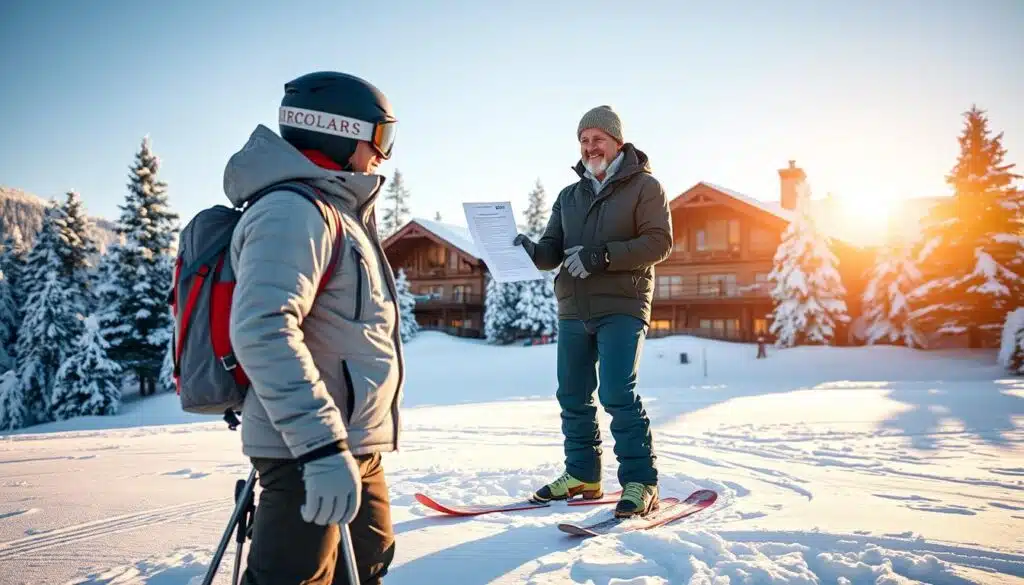
For travel insurance for ski trips, a standard policy usually is not enough, because most exclude skiing unless you add winter sports cover. Even then, the coverage often stops at marked, patrolled runs. The place claims die is the line between on-piste, off-piste, and backcountry skiing, so the terrain you actually plan to ski decides which policy you need. Prioritize strong medical and mountain rescue cover, since a helicopter rescue can top $100,000 and US health plans, including Medicare, don’t pay abroad. Match the policy’s activity list to your real plans, not the marketing headline.
Travel Insurance for Ski Trips: Key Facts at a Glance
| Question | Short answer |
|---|---|
| Does standard travel insurance cover skiing? | Usually not without a winter sports add-on |
| On-piste (marked runs) | Covered by most winter sports plans |
| Off-piste | Covered by some, with conditions |
| Backcountry | Often needs a guide or a specialist plan |
| Skiing in a closed area | Excluded almost everywhere |
| Helicopter rescue | Can exceed $100,000, check the limit |
| US health insurance abroad | Does not cover you, including Medicare |
| When to buy | Before the trip, ideally at booking |
Travel insurance for ski trips is coverage built for the risks of a snow holiday: injury on the mountain, a costly rescue, damaged or stolen gear, and lost days when the resort shuts. The catch most skiers miss is that “skiing covered” on a policy page rarely means every kind of skiing is covered. This guide maps what winter sports cover actually includes, where claims get denied, and how to match a plan to your trip.
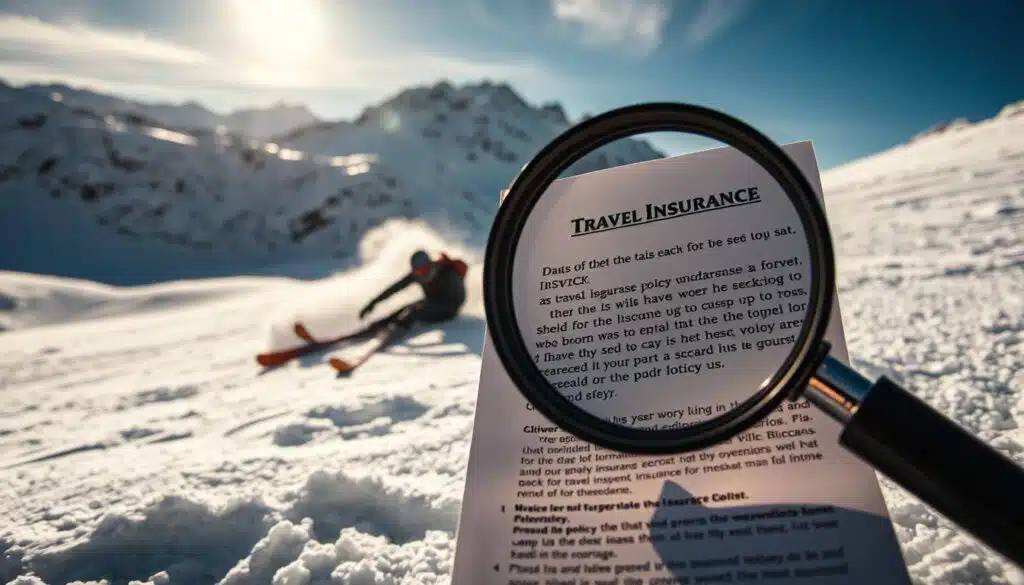
Do You Need Travel Insurance for a Ski Trip?
It depends on where you’re skiing and where you live. For a domestic US ski trip, your regular health insurance may cover an in-network medical bill, though deductibles and out-of-network mountain clinics can still hurt. What it won’t cover is trip cancellation, damaged equipment, or a search-and-rescue bill, which counties and resorts can send you.
For an international ski trip, the case is stronger. Most US health plans, including Medicare and Medicaid, don’t pay for care outside the country, so a broken leg in the Alps or Japan lands entirely on you without travel insurance. Add the high cost of mountain rescue and evacuation, and coverage stops being optional for anything beyond a casual day trip.
What Ski Travel Insurance Covers
A winter sports plan, whether standalone or added to a standard policy, extends cover to the things that go wrong on a ski holiday. The core is higher emergency medical cover suited to snow injuries, plus mountain rescue and medical evacuation.
Beyond the medical core, a good ski policy usually includes several extras. Ski equipment cover pays for your own or hired gear if it’s lost, stolen, or damaged. A ski pack benefit reimburses your lift pass, ski hire, and lessons for the days you can’t ski after an injury. Piste closure cover pays you when the resort shuts from bad weather, lack of snow, or avalanche risk. Personal liability protects you if you injure another skier or damage their property. And avalanche cover handles search, rescue, and medical costs, as long as you followed local warnings. Read the activity list and the limits, not just the headline.
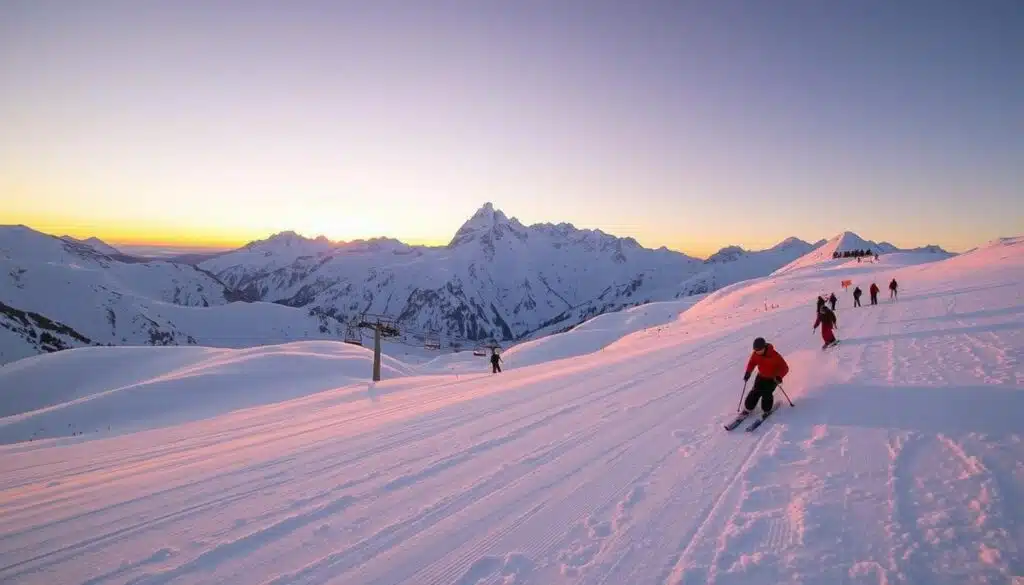
On-Piste, Off-Piste, and Backcountry: Where Claims Die
This is the single most important part, and the reason a cheap plan can leave you with nothing. Insurers draw hard lines between three kinds of skiing, and the terrain you flew there to ski is often the part they exclude.
On-piste means marked, groomed, patrolled runs. Most winter sports plans cover this without fuss. Off-piste means ungroomed terrain within or near the resort boundary, often reached by lift. Many plans cover it, but with conditions. You must stay inside recognized boundaries, obey ski patrol closures, and often not ski alone. Some insurers require a professional guide, and some resorts do too. Backcountry means terrain outside the resort entirely, with no lifts and no patrol. Insurers treat this far more strictly. Many policies either require a qualified guide or exclude it completely, which pushes serious backcountry skiers toward specialist plans.
One exclusion is nearly universal: skiing in a closed area. A run marked closed, an area roped off by ski patrol, or terrain shut for avalanche control is off-limits. A claim from an incident there is almost always refused. Even a mainstream plan proves the point. Allianz includes winter sports in its US plans, but only for amateur skiing on marked trails inside resort boundaries, and it explicitly excludes off-piste, backcountry, heli-skiing, racing, and freestyle. If your plan is powder in the trees, read that activity list twice.
Mountain Rescue and Medical Evacuation
For a ski trip, this is the coverage that saves you from a life-changing bill. Getting hurt in the mountains often means a rescue before treatment even starts, and those costs are steep. A helicopter rescue off the slopes can run well over $100,000 depending on how remote you are, and mountain rescue teams bill for their time.
Two cautions here. First, mountain rescue and search-and-rescue are sometimes separate from your medical benefit, with their own limit, so check both numbers rather than assuming one covers the other. Second, medical care itself is expensive in top ski destinations, with the US and Canada among the priciest. A serious injury can need both a big medical limit and repatriation home. Confirm that evacuation and repatriation are included and that the limits fit your destination.
Ski Trips to Japan, Canada, and Europe
Where you ski changes what your policy must say, which is why these destinations dominate the searches.
| Destination | What to check |
|---|---|
| Japan | Powder and tree runs mean off-piste rules matter; list Japan plus your snow activities, not just “worldwide” |
| Canada | High medical costs, so carry a strong medical and evacuation limit |
| Europe (Alps) | US travelers need travel medical cover; a UK EHIC or GHIC card does not apply to Americans |
| USA (domestic) | Health insurance may cover medical, but not gear, cancellation, or rescue |
Japan deserves special care. Its famous resorts, Niseko, Hakuba, Furano, and Nozawa Onsen, draw skiers for the off-piste and tree skiing, which is exactly the terrain a basic plan may exclude. Don’t assume a “worldwide” policy covers Niseko sidecountry. Pick a plan that lists Japan as a destination and lists your snow activities, then read the wording.
Best Travel Insurance for Ski Trips: Who Fits Whom
There’s no single best ski policy, and any page that crowns one is guessing. The right plan depends on the terrain you ski and where you live. Here’s a who-fits-whom view instead of a ranking.
| Skier | What tends to fit |
|---|---|
| On-piste resort skier | A mainstream plan like Allianz, strong on trip cancellation |
| Off-piste within resort | World Nomads Explorer or a plan that lists off-piste with your rules |
| Backcountry or ski touring | A specialist plan or Global Rescue for remote rescue and evacuation |
| Adventure mix | Tin Leg Adventure or Faye adventure cover, listing backcountry |
| Cost-focused day tripper | Travel medical with a winter sports add-on |
Marketplaces like Squaremouth and InsureMyTrip let you filter by activity and destination and compare named insurers side by side. For serious backcountry or high-altitude touring, membership services such as Global Rescue focus on getting you out of remote terrain, which standard plans handle poorly. Whatever you choose, filter for the activity match first and the price second.
School and Group Ski Trips
School and group ski trips usually run on a group travel policy arranged by the organizer, but don’t assume it covers everything. Group plans often cap equipment and may not include off-piste or higher-risk activities, so parents should confirm what the medical, rescue, and equipment limits actually are.
For a school ski trip, check whether the policy covers the specific activities on the itinerary, whether it includes trip cancellation if a child falls ill before departure, and whether personal liability is included. If the group cover is thin, a supplementary individual policy can fill the gaps.
What Skiers Report on the Ground
Forum threads from skiers run cooler than the sales pages, and they’re worth reading for the pattern rather than the panic. The complaints cluster in two places, and both are avoidable.
The first is declared activities. Skiers who got denied often assumed “skiing” covered their off-piste or backcountry day. Then they learned the policy defined those separately. The lesson is to declare your real plans and read the activity list before you buy. The second is remote rescue. Backcountry and touring skiers repeatedly land on dedicated rescue memberships like Global Rescue, because ordinary travel plans aren’t built to pull someone off an unpatrolled mountain. Nobody posts when a policy works exactly as sold, so use forums to find the friction points, not to decide whether to insure at all.
How Much Does Ski Travel Insurance Cost?
Less than a single rescue, which is the whole point. A standard trip insurance policy typically runs about 4% to 10% of your prepaid trip cost, and adding winter sports cover is usually a modest bump on top. Your price depends on your age, trip length, destination, and the activities and limits you select.
Specialist and backcountry cover costs more. A remote-rescue membership can run several hundred dollars for a short trip, which still beats a five-figure helicopter bill. The expensive mistake isn’t paying for winter sports cover, it’s buying a bare plan that excludes the skiing you actually do.
A Simple Ski Coverage Checklist
Run any quote through this before you buy.
Does it list skiing and your specific terrain, on-piste, off-piste, or backcountry, in the activity list? Does it cover mountain rescue and helicopter evacuation, and is that limit separate from medical? Is the emergency medical limit high enough for your destination, with repatriation included? Does it include ski equipment, a ski pack for lift pass and hire, and piste closure? And does it match your dates and your country of residence? Clear those five checks and the plan fits your trip. Miss one, and keep shopping.
The Honest Read
Skiing is worth insuring, but the point is fit, not fear. Most skiers never file a big claim, yet the ones who do are usually hit by the same two things: a mountain rescue that costs more than the trip, and a policy that excluded the terrain they were on. So put medical and rescue cover first, and be honest with yourself about where you’ll actually ski. If you stick to groomed resort runs, a mainstream winter sports plan is plenty. If you’re chasing powder off-piste or heading into the backcountry, you need a plan that names that terrain, or a specialist rescue service, not a cheap policy with a reassuring cover page. The skiers who get burned trusted the headline. The ones who ski easy read the activity list.
Conclusion
So, what travel insurance do you need for a ski trip? A plan with winter sports cover that lists your exact terrain, a strong medical limit, and mountain rescue and evacuation that fit your destination. Standard policies and US health plans leave big gaps abroad, off-piste and backcountry hide the worst exclusions, and a helicopter bill dwarfs any premium you’d save. Match the policy to the mountain, buy it before you travel, declare what you’ll really ski, and read the closed-area and guide rules. Do that, and you can chase the snow with the right protection quietly in place.
FAQs
Do you need travel insurance for a ski trip?
For an international ski trip, yes, because US health plans and Medicare don’t cover care abroad, and mountain rescue is expensive. For a domestic trip, your health insurance may cover medical bills, but not equipment, cancellation, or a rescue. Either way, a ski injury without cover can be very costly.
Does travel insurance cover skiing?
Not usually by default. Most standard policies exclude skiing unless you add winter sports cover or choose a plan that lists it. Even then, coverage often applies only to marked, patrolled runs, so always check the activity list before you buy.
Does travel insurance cover off-piste skiing?
Some plans do, but with conditions. You typically must stay within recognized resort boundaries, follow ski patrol closures, and sometimes ski with a guide or at least not alone. “Skiing covered” on the cover page does not automatically include off-piste, so confirm the wording.
Does travel insurance cover backcountry skiing?
Often only with a professional guide, and many plans exclude it entirely. Backcountry means terrain outside the resort with no lifts or patrol, which insurers treat as high risk. Serious backcountry skiers usually need a specialist plan or a remote-rescue membership like Global Rescue.
Does ski insurance cover helicopter rescue?
Sometimes, but check carefully. A helicopter rescue off the slopes can exceed $100,000, and some policies exclude it or set a low limit. Mountain rescue may sit in a separate benefit from your medical cover, so confirm both limits before you rely on them.
What does winter sports insurance cover?
Typically higher medical cover for snow injuries, mountain rescue and evacuation, ski equipment for owned and hired gear, a ski pack for lift pass and hire, piste closure reimbursement, and personal liability. Avalanche search and rescue may be included if you followed local warnings. Limits and exclusions vary widely.
Does my US health insurance cover skiing abroad?
No. Most US health plans, including Medicare and Medicaid, don’t pay for care outside the country. That gap, plus expensive mountain rescue, is the main reason to buy travel medical cover with winter sports for an overseas ski trip.
What is the best travel insurance for ski trips?
There’s no single best, since it depends on your terrain and residence. An on-piste resort skier may do well with a mainstream plan, an off-piste skier needs one that lists off-piste, and a backcountry skier needs a specialist plan or rescue membership. Compare named insurers by activity match, not by a ranking.
Do I need special insurance to ski in Japan?
Japan doesn’t require it, but it’s strongly advised. Its resorts are famous for off-piste and tree skiing, which basic plans may exclude, and medical and rescue costs are high. Pick a plan that lists Japan as a destination and lists your snow activities, rather than trusting “worldwide” text.
Does ski insurance cover lost or damaged equipment?
Winter sports cover usually includes ski equipment protection for owned and often hired gear that’s lost, stolen, or damaged. Limits and per-item caps apply, so check them against the value of your kit. Keep receipts and report theft to get a claim paid.
Does ski insurance cover piste closure or lack of snow?
Many winter sports plans include piste closure cover, which pays you when the resort shuts from bad weather, lack of snow, or avalanche risk. Some pay a daily amount or reimburse alternative travel. Check whether your plan includes it and what triggers a payout.
Does ski insurance cover me if I hit another skier?
If your plan includes personal liability, it can cover injury or property damage you cause to another person on the slopes, up to the policy limit. This is a valuable benefit given how collisions happen. Check that the liability limit is high enough.
Is travel insurance needed for a school ski trip?
School ski trips usually run on a group policy arranged by the organizer, but the cover can be thin on equipment or off-piste. Parents should confirm the medical, rescue, and cancellation limits and the activities covered. A supplementary individual policy can fill any gaps.
How much does ski travel insurance cost?
A standard trip policy runs about 4% to 10% of your prepaid trip cost, with winter sports cover a modest add-on. Specialist backcountry or remote-rescue cover costs more, sometimes several hundred dollars, which still beats a five-figure rescue bill. Price depends on age, destination, and activities.
When should I buy ski travel insurance?
Buy before your trip, ideally soon after booking, so you’re covered for pre-departure cancellation and lock in benefits like a pre-existing condition waiver. Some adventure insurers, such as World Nomads, let you buy after you’ve left, but earlier is safer and usually cheaper.
About This Guide
The InsuranceGuidances Editorial Team researches insurance and out-of-pocket travel and healthcare costs for readers planning trips abroad. This guide relied on winter sports policy wording from major and specialist insurers, comparison marketplace data, National Ski Areas Association injury figures, and avalanche safety sources. Reviewed July 2026. Next review: October 2026.
Sources
Squaremouth, “What Does Travel Insurance Not Cover,” activity exclusions (squaremouth.com)
Allianz Travel, winter sports and snow coverage terms (allianztravelinsurance.com)
Squaremouth, “Snowboard and Ski Travel Insurance: Plans and Prices,” rescue cost data (squaremouth.com)
World Nomads, adventure activity coverage including skiing and snowboarding (worldnomads.com)
National Ski Areas Association (NSAA), 2024/2025 catastrophic injury report (nsaa.org)
European Avalanche Warning Service, 2025/2026 avalanche fatality data (avalanches.org)
Backcountry Insurance, off-piste and backcountry coverage definitions and exclusions (backcountryinsurance.com)
InsureMyTrip, winter sports and adventure travel coverage (insuremytrip.com)
Global Rescue, remote rescue and evacuation membership overview (globalrescue.com)
Consumer guidance on Medicare and US health plans abroad (consumerreports.org)
Ski insurance comparison and Japan destination guidance (backcountryinsurance.com)