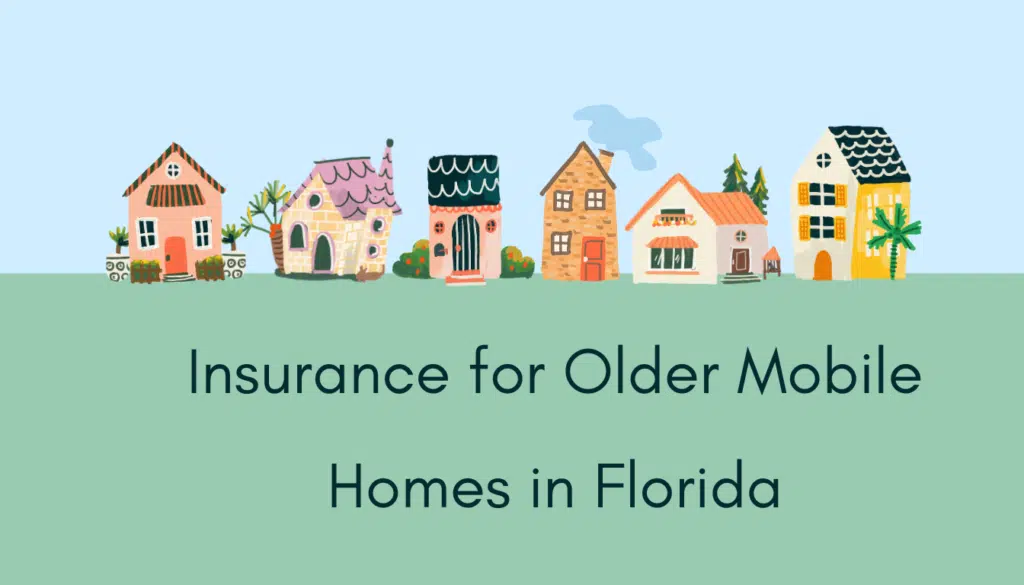
insurance for older mobile homes in Florida is harder to get, but it’s usually possible. The dividing line is June 15, 1976: homes built before that date lack HUD safety standards and are often declined, while post-1976 manufactured homes have real options. Florida’s own hurdles are roof age and anchoring, since the state bans selling wind coverage on a home that isn’t tied down to code. Specialty insurers like Foremost and American Modern write older homes, and Citizens is the backstop. Expect to pay around $1,392 a year with wind coverage, and expect actual cash value, not replacement cost, on many older homes.
Insurance for Older Mobile Homes in Florida: Key Facts at a Glance
| Question | Short answer |
|---|---|
| Can you insure a pre-1976 mobile home? | Rarely on the standard market, specialty or Citizens only |
| The key age line | June 15, 1976, the HUD Code date |
| Roof age limit | Many carriers decline roofs over 15 years old |
| Anchoring | Tie-downs required; no tie-downs, no wind coverage |
| Wind coverage | Mandatory on all Florida mobile home policies |
| Average cost with wind | About $1,392 a year (Florida) |
| Coverage type on older homes | Often actual cash value, not replacement cost |
| Best starting insurers | Foremost, American Modern, then Citizens |
Insurance for older mobile homes in Florida is coverage for manufactured and mobile homes that most standard insurers won’t touch because of age, roof, or anchoring. Florida has over 850,000 manufactured homes, about 11% of its housing, so this is a common problem, not a rare one. This guide explains exactly why older homes get declined, what it costs, who still writes them, and the specific fixes that turn a “no” into a quote.

Can You Insure an Older Mobile Home in Florida?
Yes, in most cases, though it gets harder the older the home is. The single biggest factor is whether your home was built before or after June 15, 1976. That date splits the market in two.
A 30-year-old manufactured home, built in the mid-1990s, is usually insurable, especially if the roof and systems are updated. A home built before 1976 is a different story, and many insurers won’t cover it at all. It’s not impossible, but you’ll likely need a specialty insurer or Citizens, and you’ll pay more. The good news is that age alone doesn’t doom you. Condition and upgrades often matter more than the number on the data plate.
Why Older Mobile Homes Are Hard to Insure in Florida
Insurers price on risk, and older mobile homes carry several risks that stack up. Knowing them tells you exactly what to fix.
The first is construction age, tied to the 1976 HUD line below. The second is roof age, and it’s a hard gate: many Florida carriers won’t insure a mobile home with a roof older than 15 years, regardless of the home’s age. The third is anchoring, since a home that isn’t tied down to Florida code can’t legally be sold wind coverage. The fourth is outdated systems, like aluminum wiring, old electrical panels, or polybutylene plumbing, which raise fire and water risk. Add Florida’s hurricane exposure on top, and you can see why carriers are cautious. Each of these is also a lever you can pull.
The 1976 HUD Code Line: Mobile vs Manufactured
This date is the whole ballgame, so it’s worth understanding. Before June 15, 1976, these homes were built with no national construction standard, and quality varied widely. On that date, the US Department of Housing and Urban Development set federal rules for design, strength, fire resistance, and wind, and homes built after it are legally “manufactured homes.”
A post-1976 home carries a HUD certification label and a data plate, usually inside a kitchen cabinet or closet, that insurers use to verify it. A pre-1976 home can never get that label, even if you upgrade it, so insurers can’t confirm how it was built. That uncertainty is why most decline pre-1976 homes outright. If you’re not sure of your home’s age, find the data plate first, because it decides your options.
Florida’s Anchoring and Wind Rules You Can’t Skip
Florida treats mobile home wind risk more strictly than any other state, and two rules catch owners off guard. First, wind coverage is mandatory on Florida mobile home policies. You can’t opt out of it the way owners in calmer states can.
Second, Florida law prohibits selling windstorm insurance on a manufactured home that isn’t anchored with tie-downs to the state standard. So if your home isn’t properly anchored, you legally can’t be sold the wind coverage you’re required to carry, which blocks a policy entirely. Florida updated its tie-down standard in 1999, and requirements rise with the wind zone, with higher-risk zones needing both diagonal frame ties and vertical wall ties. Proof of proper anchoring is often required before an insurer will issue or renew. This is why an anchoring inspection is step one for an older home.
What Does Insurance for an Older Mobile Home in Florida Cost?
Older mobile home coverage costs more, and wind is the reason. In Florida, mobile home insurance averages about $1,392 a year with wind coverage, versus roughly $372 without it, which shows that hurricane and wind protection makes up well over half the bill.
| Cost factor | Typical effect |
|---|---|
| Florida average with wind | About $1,392 a year |
| Florida average without wind | About $372 a year |
| Pre-1976 home | 50% to 100% more, or declined |
| Replacement cost vs ACV | Replacement cost adds about 20% |
| Older-home range (national) | Roughly $700 to $1,500 a year |
Your actual price depends on your home’s age, roof, location, wind zone, and coverage type. The number isn’t fixed, and it’s one of the most quote-to-quote variable products in insurance, so getting several quotes genuinely pays here.
Actual Cash Value vs Replacement Cost on Older Homes
This is the fine print that hurts most at claim time. Many insurers will only offer older mobile homes actual cash value coverage, which pays the depreciated value of your home after a loss, not the cost to replace it. On a 25-year-old home, depreciation can gut the payout.
Replacement cost coverage, which pays to rebuild without deducting depreciation, is better but harder to get on older homes and adds roughly 20% to the premium. Foremost offers it on many homes and can pay up to an extra 20% of your coverage amount if needed to replace the home. If your home qualifies for replacement cost, it’s usually worth the added premium. To understand the difference fully, see our explainer on replacement cost versus actual cash value.
Here’s what that gap looks like in practice. Say a hurricane destroys a 25-year-old manufactured home. On actual cash value, the insurer pays the depreciated value, which might be $30,000 on a home that costs $60,000 to replace. You cover the rest. On replacement cost, the insurer pays to rebuild a comparable home, closer to that $60,000, minus your deductible. Same storm, same home, a $30,000 swing in your payout. That is why the ACV-versus-replacement question matters more than a small premium difference.
Who Insures Older Mobile Homes in Florida?
Several insurers write these homes, and no single one is “best,” since the right fit depends on your home’s age and condition. Here’s a who-fits-whom view.
| Insurer | Best for |
|---|---|
| Foremost (Farmers) | Any age home, the pioneer specialist for older units |
| American Modern | Older and harder-to-insure mobile homes |
| Citizens Property Insurance | Last resort when private carriers decline |
| Kin | Florida-focused insurtech for manufactured homes |
| State Farm, Progressive, Allstate | Newer homes in good condition, with age limits |
Foremost, part of Farmers, was the first company to insure mobile homes and accepts homes of nearly any age, make, and value, which makes it the natural first call for an older home. American Modern is another long-time specialist. If private carriers all decline, Citizens Property Insurance is Florida’s insurer of last resort and can step in. As for the big names, State Farm and Progressive do write mobile homes, but they lean toward newer homes in good shape and often won’t take pre-1976 units. And if you’re an AARP member wondering about their program, the AARP Manufactured Home Insurance Program is actually underwritten by Foremost, so it’s a Foremost policy under the AARP name.
How to Make an Older Mobile Home Insurable
This is where you take back control. A home that gets declined today can often be quoted after a few fixes, because most declines come down to the same short list.
Start with anchoring: get an inspection and bring the tie-downs up to Florida code, since without it you can’t get wind coverage at all. Next, tackle the roof, because a roof over 15 years old triggers declines, and a newer roof opens up carriers. Then handle systems: update old wiring, replace an unsafe electrical panel, and address polybutylene plumbing, all common flags on a 4-point inspection. Add skirting, and a permanent foundation if feasible, since both help. Finally, get a wind mitigation inspection, which documents features that lower your wind premium. Do these, and you often move from uninsurable to insurable, and from expensive to merely fair.
Do You Still Need It? Downsides, Lifespan, and Common Problems
A quick reality check, since these questions come up alongside the insurance search. A well-built manufactured home has a long life, with estimates commonly cited around 30 to 55 years, and a maintained, updated home can last longer. The real downsides of an older mobile home are that it can depreciate rather than gain value like a site-built house, it’s harder to finance, and it’s more vulnerable to wind.
The common problems in older units are exactly what insurers inspect: aging roofs, outdated wiring and panels, worn plumbing, and weak or missing anchoring. That overlap is the point. Fixing what makes a home risky to live in is the same work that makes it insurable, so the maintenance pays twice.
The Honest Read
If you own an older Florida mobile home, don’t shop on price first. Shop on who will actually take your home, then on price. The owners who struggle are usually the ones who call one big-name carrier, get declined over the roof or the year built, and assume they’re stuck. They aren’t. Start with Foremost or American Modern, keep Citizens in your back pocket, and use an independent Florida agent who can reach specialty carriers you can’t find online. Before you even quote, pull your data plate, get the anchoring checked, and know your roof’s age, because those three facts decide most of the outcome. And read whether the offer is actual cash value or replacement cost, since that gap is what turns a hurricane into a financial disaster.
Conclusion
Insurance for older mobile homes in Florida is tougher than for a new one, but it’s usually within reach if you know the levers. The 1976 HUD line, your roof age, and proper anchoring decide most of the story, and Florida’s mandatory wind coverage drives most of the cost. Expect around $1,392 a year with wind, expect actual cash value on many older homes, and start with the specialty insurers built for this, backed by Citizens. Fix the anchoring and roof, get the inspections, and compare several quotes through an independent agent. Do that, and you’ll protect an older Florida home without overpaying or going without.
FAQs
Can you insure an older mobile home in Florida?
Usually yes, though it’s harder with age. Post-1976 manufactured homes have real options, while pre-1976 mobile homes are often declined by standard insurers and may need a specialty carrier or Citizens. Condition, roof age, and anchoring matter as much as the year built.
Can you insure a 30-year-old mobile home?
Generally yes. A home from the mid-1990s is post-HUD Code and insurable with several carriers, especially if the roof and systems are updated and it’s properly anchored. You may still face a roof-age limit and higher pricing than a new home.
Who will insure an old mobile home in Florida?
Foremost and American Modern are the go-to specialists for older homes, and Foremost accepts homes of nearly any age. If private carriers decline, Citizens Property Insurance is the state’s insurer of last resort. An independent Florida agent can reach specialty carriers you can’t quote online.
Are older mobile homes harder to insure?
Yes. Insurers see them as higher risk because of older construction standards, aging roofs, outdated wiring and plumbing, and weaker wind resistance. That means fewer carriers, higher premiums, more inspections, and often actual cash value instead of replacement cost coverage.
How much is insurance for older mobile homes in Florida?
Florida mobile home insurance averages about $1,392 a year with wind coverage, and older homes tend to run higher, often in the $700 to $1,500 range or more. A pre-1976 home can cost 50% to 100% more than a newer one, if a carrier will write it at all.
What companies insure mobile homes in Florida?
Foremost and American Modern specialize in mobile and manufactured homes, including older ones. Citizens Property Insurance is the last-resort option, and Kin is a Florida-focused insurer. State Farm, Progressive, and Allstate also write mobile homes, but usually favor newer homes in good condition.
Why is mobile home insurance so high in Florida?
Wind and hurricane coverage is the reason. It’s mandatory on Florida mobile home policies and can make up well over half the premium, taking the average from around $372 a year without wind to about $1,392 with it. Older homes and older roofs push it higher.
Does State Farm insure older mobile homes?
State Farm does write mobile and manufactured home insurance, but it leans toward newer homes in good condition and offers discounts for newer homes. For a pre-1976 or otherwise hard-to-insure home, a specialist like Foremost or American Modern is usually a better bet.
Does Progressive insure mobile homes in Florida?
Progressive offers mobile home insurance, often through partner underwriters, with dwelling, personal property, liability, and loss-of-use coverage. Like other mainstream carriers, it tends to prefer newer homes, so an older Florida home may need a specialty insurer instead.
Does AARP offer mobile home insurance?
AARP itself is not an insurer. The AARP Manufactured Home Insurance Program is underwritten by Foremost, which has run it since 1989, so it’s a Foremost policy offered to AARP members. Foremost is one of the more flexible options for older homes.
Can you insure a mobile home built before 1976?
It’s difficult but sometimes possible. Pre-1976 homes lack the HUD certification label insurers rely on, so most standard carriers decline them. A specialty insurer or Citizens may offer limited coverage, often at higher cost and on an actual cash value basis.
Does insurance for older mobile homes cover wind and hurricanes?
In Florida, wind coverage is mandatory on mobile home policies, so a valid policy includes it. But your home must be anchored to code, because the state prohibits selling wind coverage on a home that isn’t properly tied down. Confirm your anchoring before you apply.
What is the cheapest insurance for older mobile homes in Florida?
There’s no single cheapest carrier, since it depends on your home’s age, roof, and location. The reliable way to lower cost is to update the roof, anchor the home to code, get a wind mitigation inspection, and compare several quotes through an independent agent rather than chasing one company.
What is the lifespan of a mobile home?
Estimates are commonly cited around 30 to 55 years, though a well-built, well-maintained, and updated home can last longer. Lifespan depends heavily on maintenance of the roof, anchoring, and systems. Those same factors also determine how insurable the home stays over time.
What are the downsides of owning an older mobile home?
Older mobile homes can depreciate rather than gain value like a site-built house, they’re harder to finance and insure, and they’re more vulnerable to wind. Common problems include aging roofs, outdated wiring and panels, and worn plumbing, which are the same issues insurers inspect for.
About the Author
Md Shahinuzzaman is an insurance and out-of-pocket healthcare cost specialist with 16 years of experience in banking and insurance. He writes for InsuranceGuidances.com to help US readers understand coverage, claims, and their rights in plain language. Reviewed July 2026. Next review: October 2026.
Sources
Florida Office of Insurance Regulation, market and Citizens data (floir.com)
US Department of Housing and Urban Development, Manufactured Home Construction and Safety Standards (HUD Code), effective June 15, 1976 (hud.gov)
Florida Statutes, manufactured home anchoring and windstorm insurance requirements (flsenate.gov)
Citizens Property Insurance Corporation, mobile home coverage and eligibility (citizensfla.com)
Foremost Insurance Group, mobile and manufactured home coverage and any-age acceptance (foremost.com)
AARP and Foremost, AARP Manufactured Home Insurance Program (aarpforemost.com)
Insurance.com, older mobile home insurance costs and carriers (insurance.com)
LendingTree, older mobile home insurance and specialty carriers (lendingtree.com)
SoFi, older mobile home insurance coverage and ACV vs replacement cost (sofi.com)
Florida mobile home insurance cost and wind coverage data (1800insurance.com)
Bridgeway Insurance, Florida mobile home roof age and wind zone requirements (bridgewayins.com)